Las Vegas Events · 4 min read
How Much Space Do Rental Robots Need?
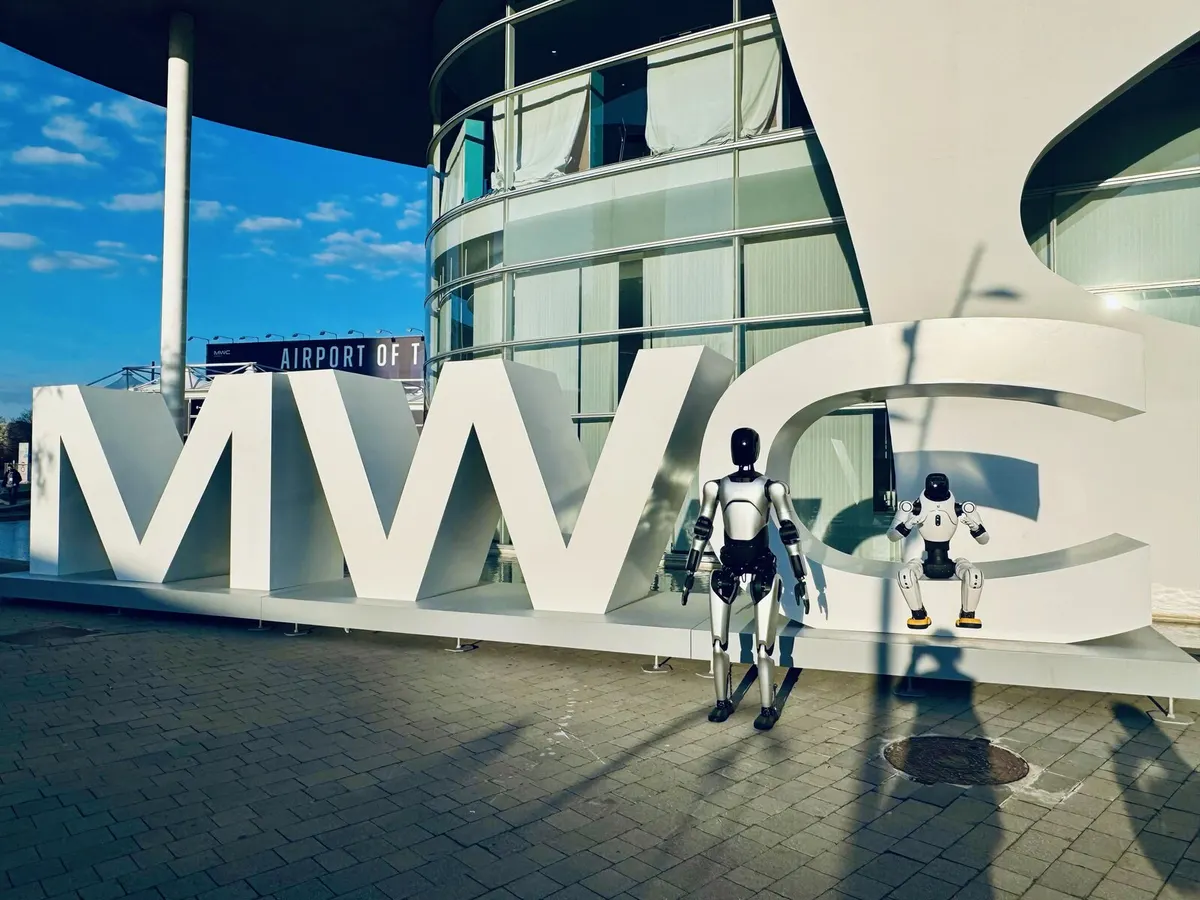
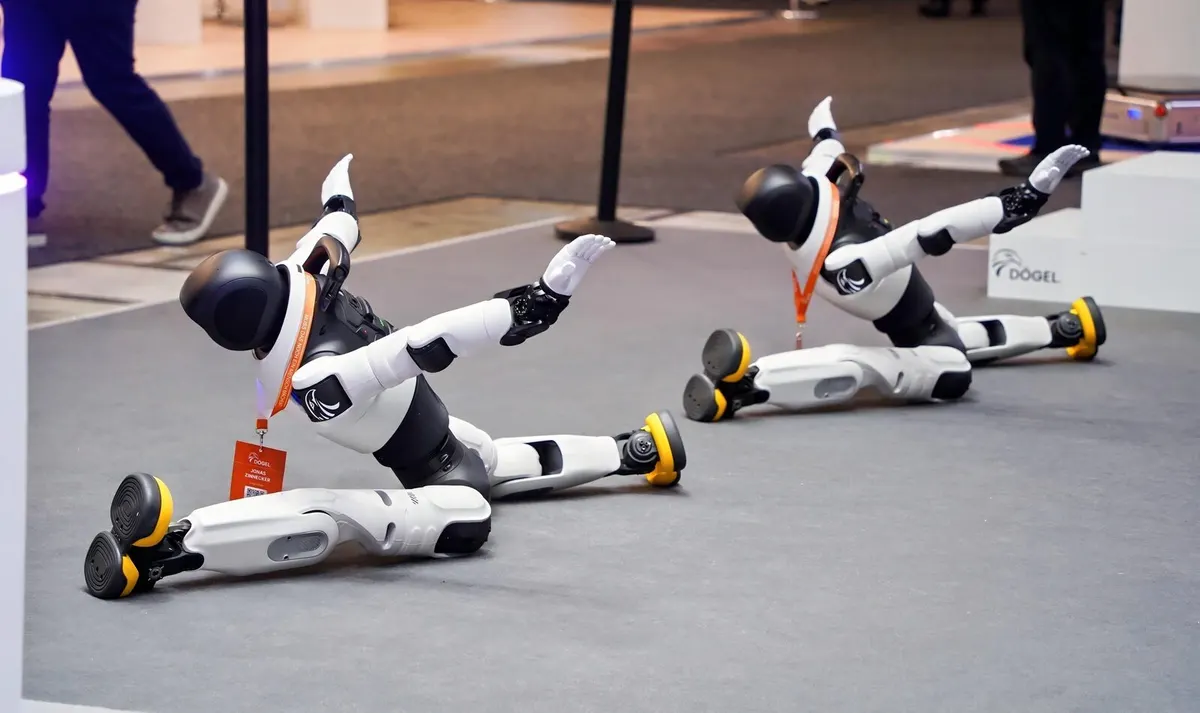
Plan for a performance zone about the size of a two-car garage, enough room for the robot to walk, turn, and gesture, plus a crowd buffer and an out-of-sight backstage area for resting and charging. I run Humanoid Vegas, a Las Vegas B2B humanoid robot rental company, and we lock down your layout on the pre-event planning call.
This is one of the most practical questions a client can ask, and I wish more people asked it during planning. A humanoid robot isn't a piece of furniture: it moves, it performs, and it draws a crowd, and all three need space. I've deployed humanoid robots across trade show floors, ballrooms, and outdoor activations in Las Vegas, so here's how I break the space down: the performance zone, the backstage area, and the crowd.
The Performance Zone
This is where the robot does its thing, the area the audience sees. For a full-size humanoid, think of it as a small stage: enough room for the robot to walk, turn, gesture, and pose without an audience member standing inside its personal space.
The honest rule of thumb: the robot needs a clear working area of roughly a two-car garage footprint, plus a crowd buffer around it. The exact dimensions depend on what the robot is doing, a fixed greeting position needs less than a walkaround routine, and we nail this down during the planning call for your specific event. But plan for more than you think, because the crowd itself takes space. When a humanoid robot starts performing, people gather. That gathering needs somewhere to go. If the performance zone sits in a main aisle or in front of your booth's only entrance, you've got a traffic problem. The best placement is adjacent to your booth or stage, close enough to pull people in, far enough to let them flow through.
Surfaces matter as much as square footage. Flat, level flooring is the baseline: convention center carpet, polished concrete, ballroom floors, smooth outdoor pavement. Avoid thick rugs, gravel, grass, steep ramps, and anything the robot has to climb. Stairs are out, full stop. If the venue has level changes, we plan routes around them or use freight elevators during load-in. I'll ask about your flooring on the planning call, and if your venue contact can send photos of the exact spot, even better.
The Backstage Area
Everyone plans for the performance zone. Almost nobody plans for backstage. The robot needs somewhere to rest, recharge, and wait out of sight between performance windows, and your attendees should never see it happen.
The backstage spot doesn't need to be fancy: a storage room, a curtained corner of your booth, a service corridor, the green room. The requirements are simple: out of the public eye, near power, and big enough to park the robot and its gear. Think the size of a large closet, not a conference room. The key word is "out of sight." Part of the magic of a robot performance is that it appears when it's showtime. Seeing it slumped in a corner charging between sets kills the effect.
Talk to your venue about this early. Convention centers usually have service areas or can rope off a back-of-house pocket. Hotels have storage rooms and loading docks. Outdoor events need a tent or a vehicle nearby. This is one of the things a good rental provider sorts out with your venue contact before load-in day, I do it on every booking.
Crowd Management Space
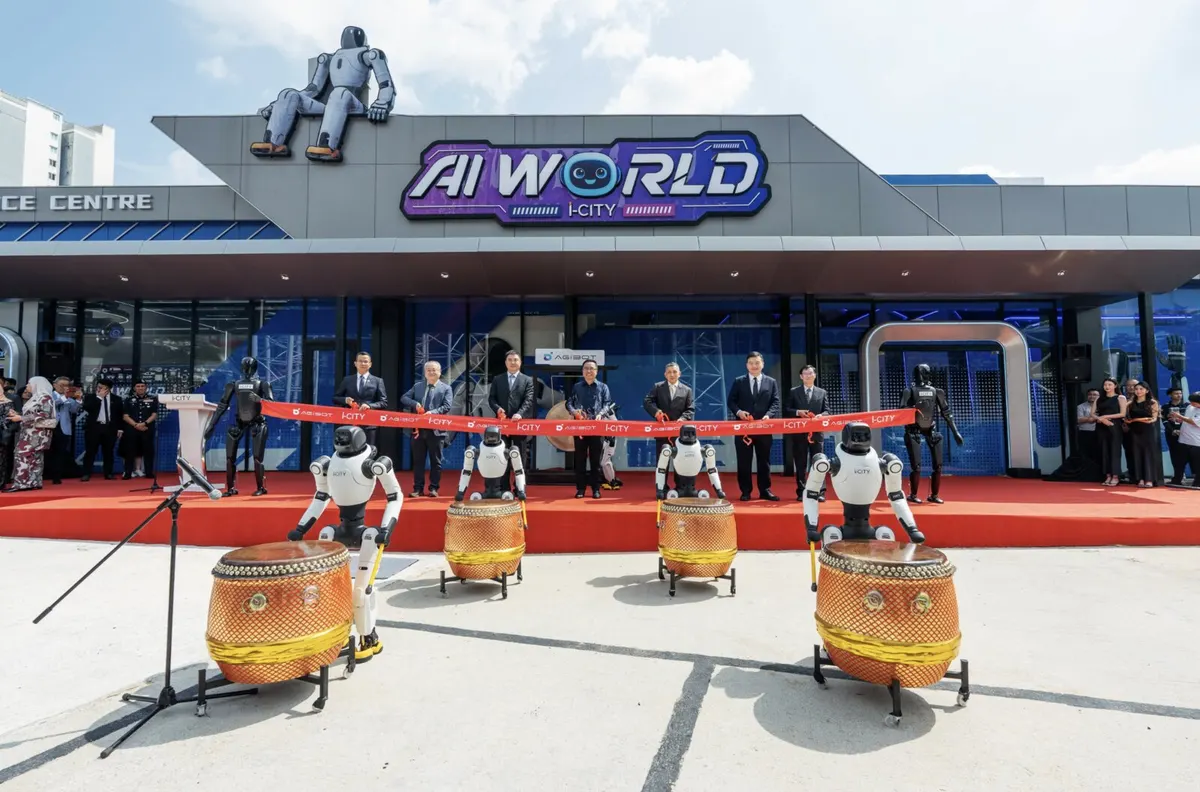
Here's the part most first-time clients underestimate: the robot will create a crowd, and the crowd needs room. A humanoid robot is a magnet. People stop, they film, they gather. If that happens in a four-foot aisle, you've created a bottleneck that your neighboring exhibitors will not appreciate and venue security will shut down.
Plan for the audience, not just the robot. Position the performance zone where a crowd can form without blocking anything critical: not in front of fire exits, not in the main traffic artery, not choking off your own booth entrance. A corner of a wide aisle, a plaza area, a forecourt: anywhere with natural gathering room. If your booth is on a main aisle, consider placing the robot at the aisle-side edge so the crowd forms in the aisle's widest section.
Also plan for photos. A huge part of a robot's value at an event is the social media moment, attendees taking selfies with it, filming it, tagging your brand. Give that moment a backdrop. Position the robot where the background reads well on camera: your branded booth wall, not the convention center's trash staging area. Your event photographer will thank you, and so will your marketing team.
Venue Logistics Worth Asking About
Beyond the performance and backstage space, a few venue questions save headaches:
• Load-in route. Can a large case come through the freight entrance? Is there a freight elevator? What are the load-in hours?
• Power. Where are the nearest power drops to the performance zone and the backstage area? The robot charges between sets, so backstage power is non-negotiable.
• Floor plan. Get the exhibitor floor plan with your booth marked, plus the aisle widths. Your rental provider uses this to plan positioning.
• Venue rules. Some venues restrict anything that draws a crowd in certain zones. Ask early so there are no day-of surprises.
• Outdoor events. Wind, heat, and uneven ground all factor in. Las Vegas in July is a different conversation than a climate-controlled convention hall in October. Tell your provider the conditions honestly and let them tell you what's realistic.
I cover all of this on the pre-event planning call. If a rental company isn't asking about your venue, your floor plan, or your load-in route, they haven't thought about what happens after the truck arrives.
My three tiers, High Roller, Pocket Pair, and Full House, scale to different event sizes and footprints. Every tier is quoted per event; request yours through Book-A-Bot.
Book a Bot for your next event.