Las Vegas Events · 4 min read
Is Robot Rental Cheaper Than Hiring Help?
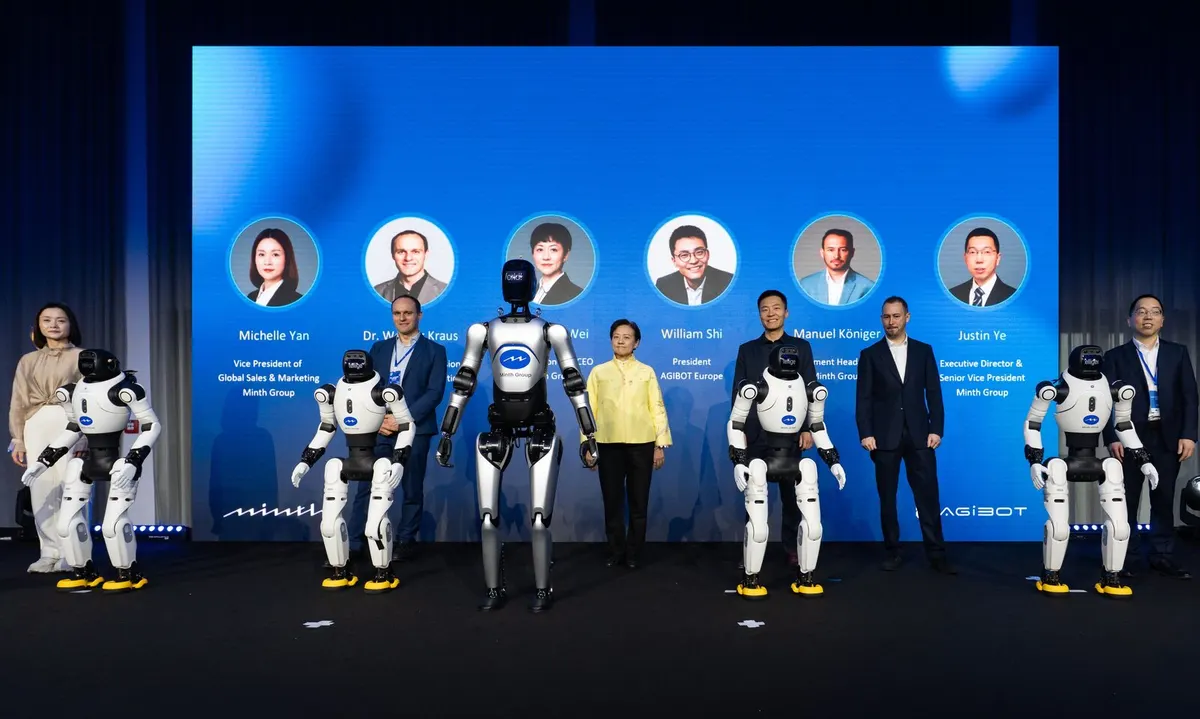
It depends on what you think the robot is replacing. A robot is not a cheaper temp worker. It buys attention, not labor: stopping booth traffic and generating shareable content. If you need badge scanning and booth labor, hire people. If you need an attention gap filled, a robot competes with your spectacle budget, not your staffing line.
I run Humanoid Vegas: I put humanoid robots on Las Vegas trade show floors, and every booking includes trained operators. So I have a horse in this race, but I'll be straight with you: the temp-worker comparison is the wrong frame. Here's what a robot actually replaces, what it doesn't, and how to budget honestly.
The honest answer: you're comparing different things
Hiring event help buys you hands and hours. A brand ambassador hands out swag, scans badges, answers questions, and works the room. Their value is labor.
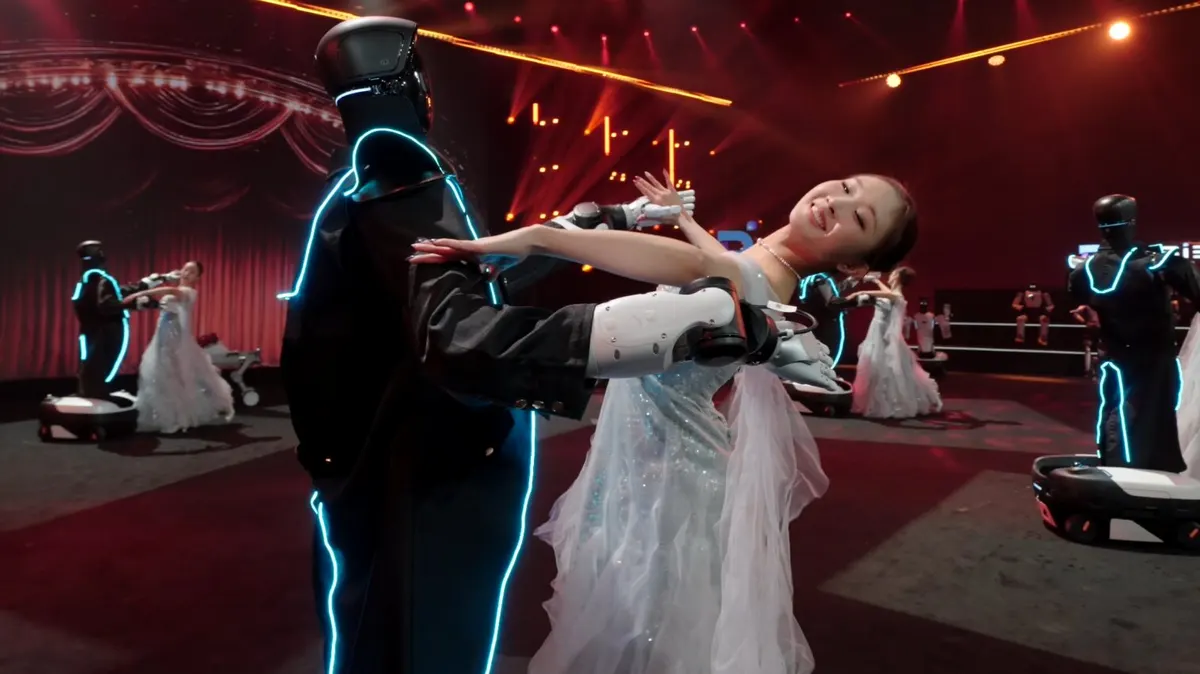
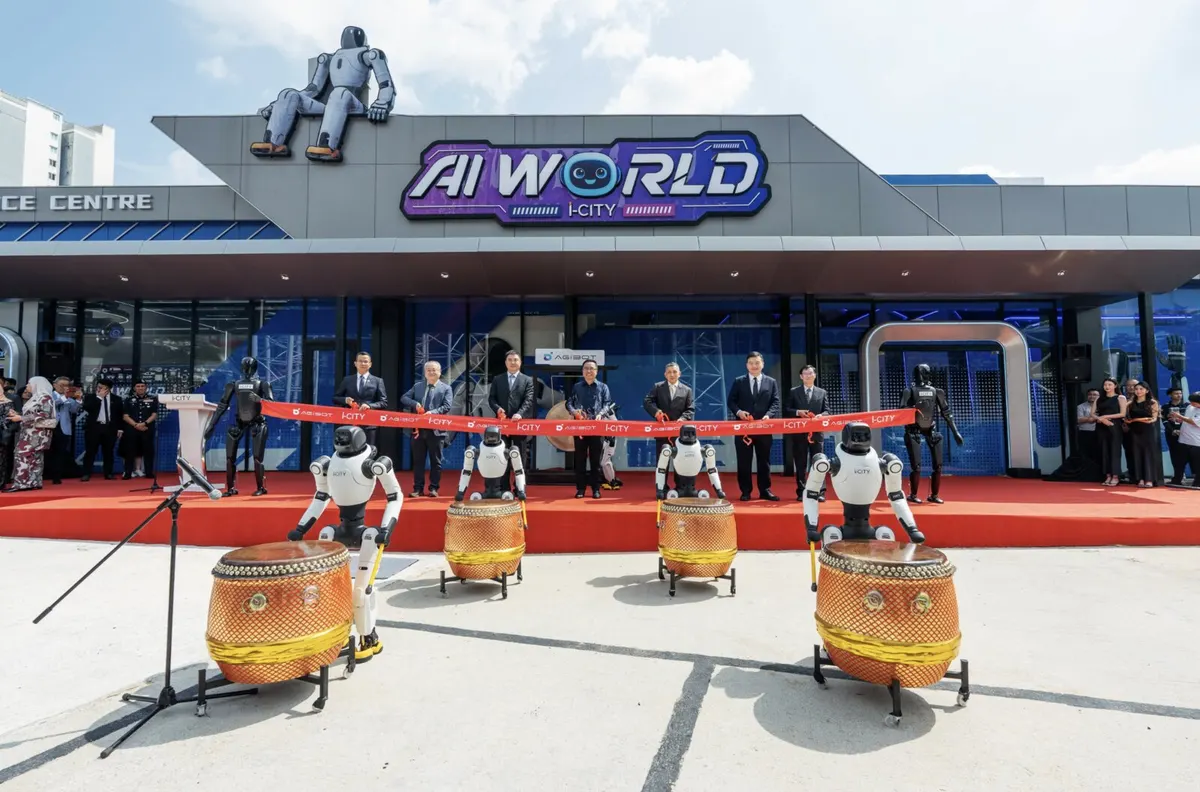
Renting a robot buys you attention. A humanoid robot on your booth doesn't hand out flyers, it stops traffic. People cross the aisle to see it. Phones come out. Crowds form. That crowd is the product you're buying.
So the question "is it cheaper?" has two honest answers. If you need someone to scan badges for eight hours, hire a person, a robot won't do that job. If you need a thousand people to stop at your booth instead of walking past it, no amount of temp staff does what a robot does.
The robot isn't cheaper labor. It's a different category of spend, closer to a sponsorship or a headliner act than to a staffing line item.
Where a robot actually saves you money
There are real situations where the robot replaces spending, just not the spending people assume.
Booth staff efficiency. The classic Vegas problem: you pay for a 20x20 booth, staff it with four people, and two of them spend the day trying to lure passersby into conversations. A robot does the luring for free, it pulls the crowd in, and your two best closers work the crowd instead of four people working an empty booth. You didn't replace staff. You made the staff you already have dramatically more productive.
Content production. Event content, the videos, the social posts, the "look at our booth" moments, normally costs real money to produce. A robot generates it organically. Attendees film it, post it, tag it. I've watched booths get days of social content out of a single activation without hiring a videographer. That's not a labor saving; it's a marketing saving.
The spectacle budget. Companies already spend on booth spectacle, the magician, the celebrity appearance, the elaborate demo. A robot competes with that budget, not the staffing budget. And unlike the magician, the robot is on-brand for a tech-forward company and photographs like the future.
Where humans still win, every time
Don't let anyone tell you a robot replaces your people. It doesn't.
A robot doesn't read a buyer's face and adjust the pitch. It doesn't remember the prospect from last year's show. It doesn't qualify a lead, handle an objection, or close a deal.
The human moments, the handshake, the follow-up question, the "let me introduce you to our engineer", are where business actually happens, and no robot on the market does those.
The booths that get this right don't choose between robots and humans. They pair them: the robot draws the crowd, the humans work it. The robot is the opening act; your team is the headliner.
How to actually compare the cost
If you're building a budget and trying to decide, here's the framework I'd use, no dollar figures, because yours will depend on your event, your city, and your goals:
1. Define the job. Are you trying to fill a labor gap (badge scanning, setup, crowd control) or an attention gap (booth traffic, brand moments, social content)? If it's labor, hire people. If it's attention, price the robot against your other attention options, the bigger booth, the sponsorship, the entertainment.
2. Count the full cost of help. Event staffing isn't just the hourly rate, it's the agency markup, the training time, the no-shows, the turnover. Be honest about what staffing really costs you in money and hassle.
3. Value the attention. What is a stopped visitor worth to you? If your booth normally gets walked past and the robot changes that, the math writes itself, even without inventing numbers.
4. Check what's included. On my rentals, trained operators come with the robot, always. When you're comparing quotes from any provider, make sure you're comparing the full package, not a robot price that quietly needs staffing added.
The bottom line: a robot is rarely "cheaper than hiring help," because it isn't help. It's the reason people stop at your booth in the first place. Budget it like marketing, staff it like sales, and you'll get the return you're actually after.
If you're weighing the decision for a Vegas event, Book a Bot for your next event and I'll give you my straight read on whether a robot fits your booth, including the times it doesn't.