Las Vegas Events · 4 min read
How Do I Know What Robot to Rent?
Pick the robot in this order: goal, venue, audience. Define what you want the robot to do, then check that against your venue's reality and the people in the room. I run Humanoid Vegas, a Las Vegas B2B humanoid robot rental company, and every booking runs a full-size humanoid robot with trained operators. Talk to a provider who asks about all three.
It feels like a technical decision, but it's really a strategy decision: the goal comes first, the hardware comes second. I walk clients through this decision every week: here's the full framework.
Start With the Goal, Not the Spec Sheet
Most people start by comparing robots. Specs, sizes, tricks, price tags. That's backwards.
Start with one question: what do you want the robot to do for you? At a trade show, the answer is usually one of a few things: stop traffic and pull people to your booth, create a moment people photograph and post, run demos that explain your product, or be the centerpiece of a brand activation. Each of those goals favors a different kind of robot and a different kind of performance.
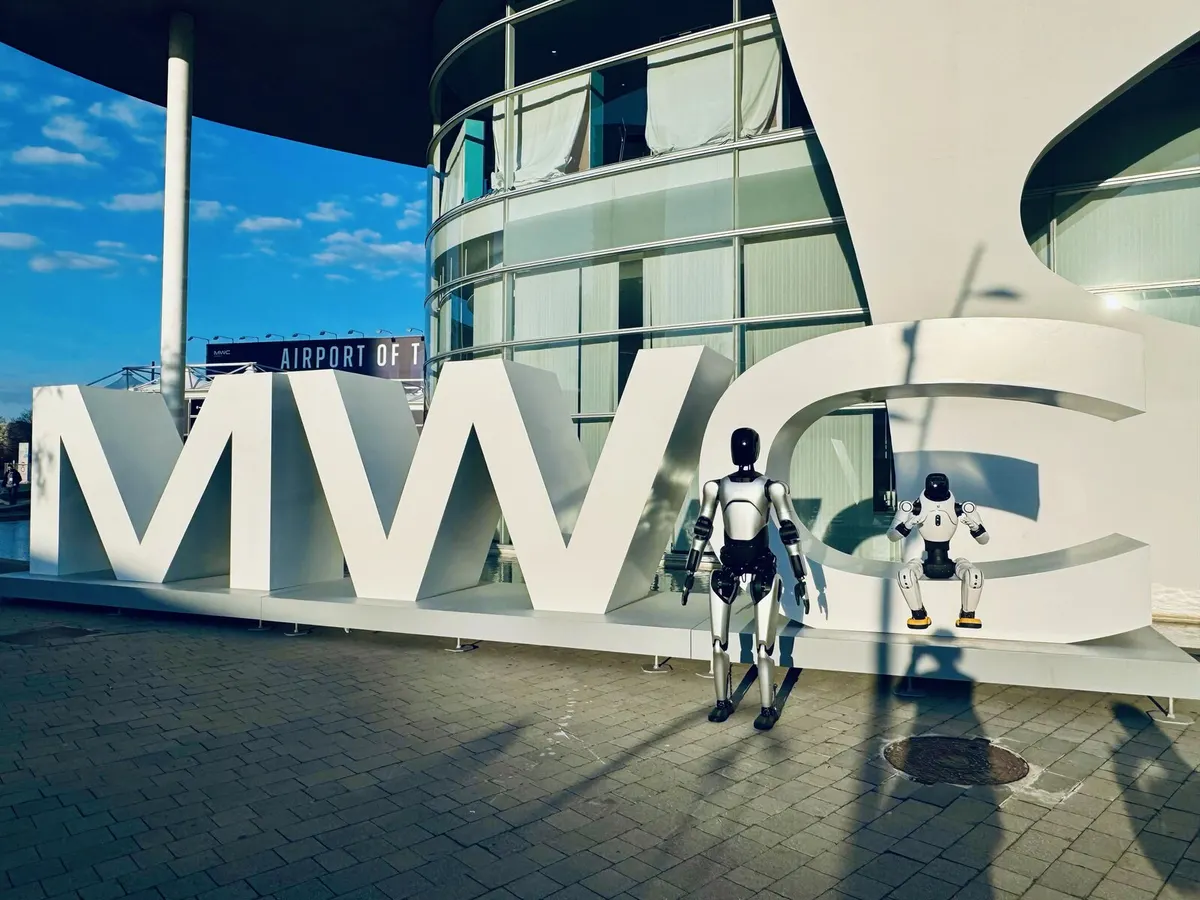
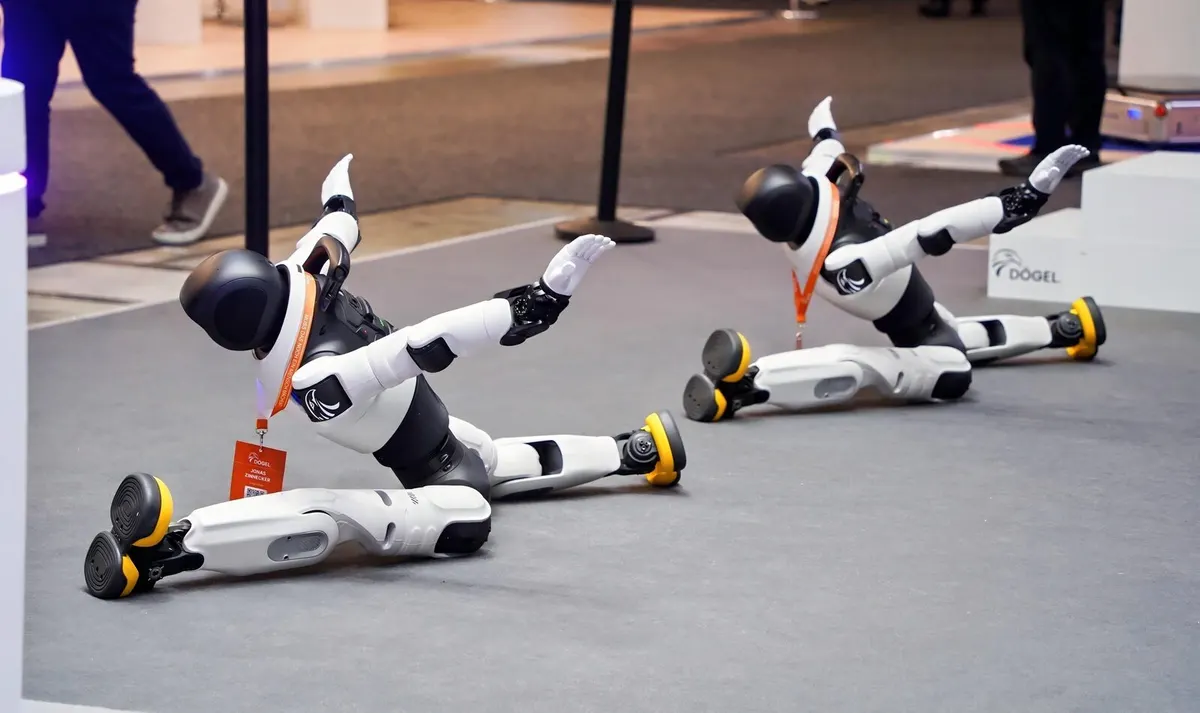
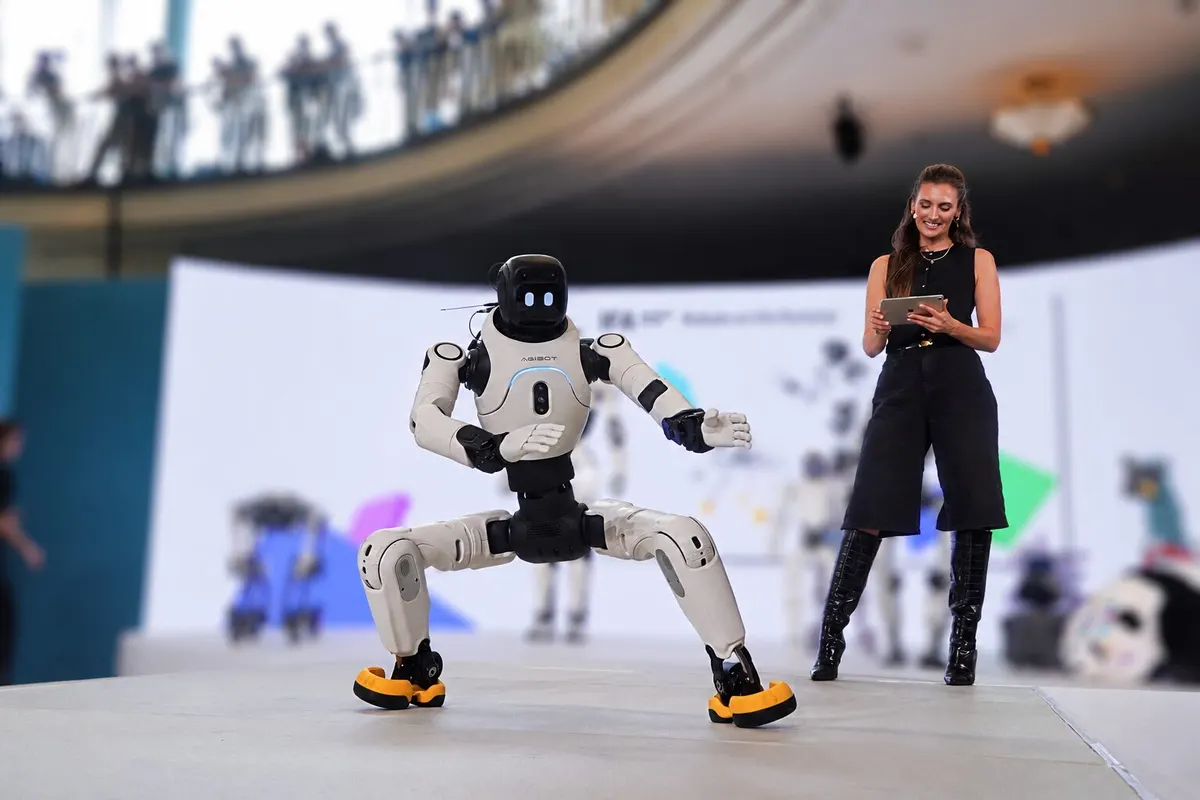
A humanoid robot, a machine shaped like a person, is built for attention. People are wired to notice something that moves like they do. If your goal is foot traffic, social media moments, and booth energy, a humanoid is hard to beat. I deploy a full-size humanoid that walks, gestures, and performs. That's why it's the robot I deploy: it's the most engaging form factor at an event.
But attention isn't the only goal. Maybe you're running a private VIP dinner and you want something subtle. Maybe you need a robot that performs a specific repeated routine on a stage. Maybe your audience is kids at a family activation, where a smaller, friendlier robot lands better than a full-size humanoid. Write down your goal in one sentence before you look at a single robot option. Everything gets easier after that.
Match the Robot to the Venue
The second filter is the venue itself. A robot that thrives on a trade show floor might be a terrible fit in a hotel ballroom, and vice versa.
Think about floor space first. A humanoid robot needs room to move, a performance zone where the crowd can gather without blocking the aisle, and a back-of-house spot for breaks. Trade show floors are ideal: big open layouts, wide aisles, and built-in crowds. Lobbies, atriums, and outdoor plazas work well too, as long as the surface is flat and there's power nearby.
Tight, formal venues need more thought. A packed cocktail reception with narrow walkways and expensive furniture everywhere isn't the place to debut a walking robot. In those settings, a robot that performs from a fixed position, greetings, photo poses, a set routine, makes more sense than one roaming the room.
Also think about noise and power. Events in casinos, convention centers, and arenas have ambient noise to spare; an intimate corporate dinner doesn't. Ask your venue contact about load-in routes, freight elevators, and power drops near the performance area. A good rental provider will walk through all of this with you during planning. If they don't ask about your venue, that's a red flag.
Know Your Audience
The third filter is the people in the room. Who are they, and what will impress them?
At a B2B trade show, CES, NAB, a medical or finance conference, your audience is sophisticated, skeptical, and busy. They've seen gimmicks. A humanoid robot works here because it creates a genuine moment of surprise, and surprise is the currency of the show floor. But it has to be executed well: a robot standing in a corner doing nothing is worse than no robot at all. The performance needs to be planned, rehearsed, and actively managed.
At consumer-facing activations, retail openings, product launches, festivals, the audience is more open and playful. They want photos, they want to talk to the robot, they want a story to tell. A humanoid with a strong operator behind it can work a crowd the way a great brand ambassador does.
For private events, weddings, galas, corporate parties, the audience wants entertainment that feels special, not salesy. The robot becomes a guest experience: greetings at the door, photo ops, a surprise appearance. Keep it light and keep it short. These audiences remember the moment, not the machine.
The Short Version
Pick the robot in this order: goal, venue, audience. Write your goal in one sentence. Check it against your venue's reality. Check it against who's in the room. Then talk to a provider who asks you about all three, because the provider who starts with "what's your budget?" instead of "what are you trying to pull off?" is selling you hardware, not an outcome.
One more question before you book: should you rent or buy? If you need a robot for a single event, a multi-day conference, or a short campaign, renting is the obvious answer: you get the robot, the delivery, the setup, and trained operators for the duration, and then it's gone. If you need a robot in your lobby every day for a year, buying starts to make sense. I sell robots too, through my Own a Robot page, I source genuine units, configure them, and deliver them. Occasional use, rent. Constant use, consider buying. Somewhere in between? Rent once first and treat it as a trial.
When you book with me, I ask these questions before I talk pricing. My three tiers, High Roller, Pocket Pair, and Full House, cover different scales of event, and the right fit depends on everything above. Every tier is quoted per event; request yours through Book-A-Bot.
Book a Bot for your next event.