Las Vegas Events · 3 min read
Are Rental Robots Easy to Operate?
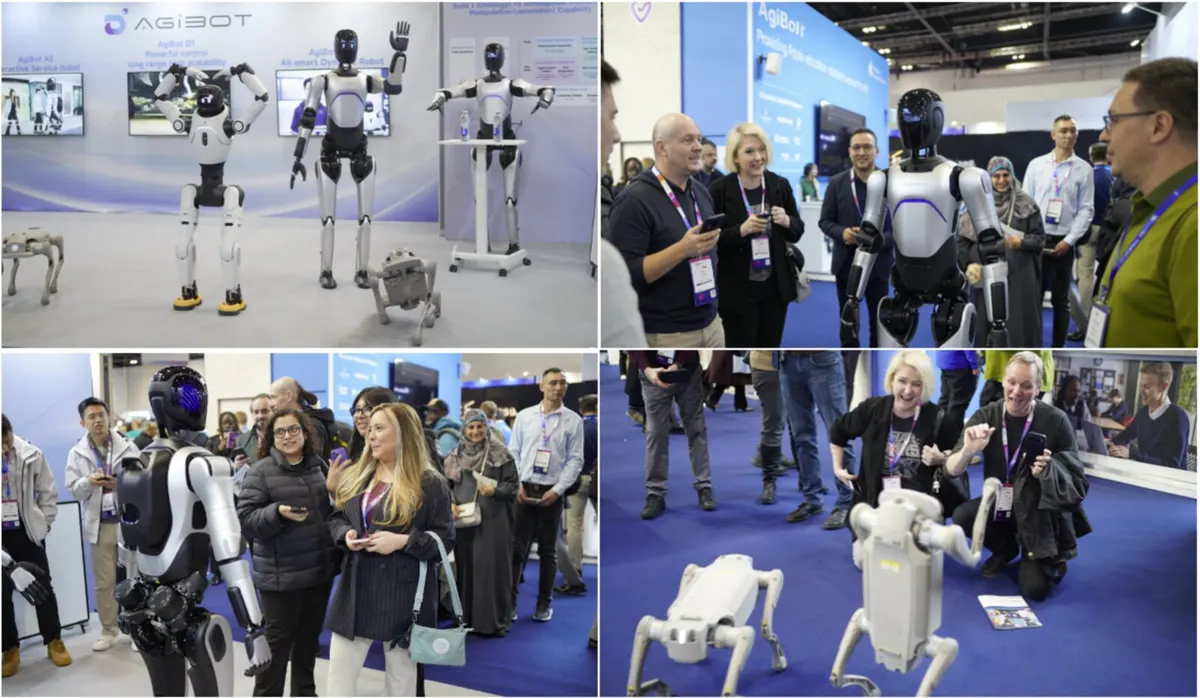
You don't operate it: every Humanoid Vegas booking includes trained operators who deliver, set up, run, and remove the robot for the whole event. You never touch a controller. Your job is simple: share the schedule, the brand talking points, and the venue contacts, then do your job while the robot does its.
That's the whole point. One of the biggest misconceptions about renting a robot is that someone on your team needs to learn how to drive it. So the real question isn't "are they easy to operate?", it's "what do I need to do while someone else operates it?" And the answer is: not much.
The Operator Handles Everything Technical
Think of the operator like the pilot of a charter flight. You tell them where you want to go; they handle the machine. During your event, the operator manages the robot's movement, routines, positioning, and timing. If the robot needs to greet people at the entrance for an hour, then move to the stage for a demo, then pose for photos at the booth, the operator choreographs all of that in real time.
This matters because a humanoid robot is not a plug-and-play appliance. It needs a skilled hand to read the room: when to hold a pose for photos, when to approach a crowd, when to back off. An untrained person behind the controls turns a premium experience into an awkward one. The operator is the difference between a robot that performs and a robot that wanders.
It also matters for safety. A full-size humanoid moving through a crowd needs someone who knows what they're doing. My operators are trained on the robot and on working around people at live events. That's not something you hand to an intern twenty minutes before doors open.
What You Actually Do as the Client
Your job is much simpler, and it's all things you're already good at. You tell us the schedule: when the robot performs, when it rests, any key moments it needs to be part of, a keynote entrance, a product reveal, a photo window. You give us the brand talking points: product names to mention, the hashtag to promote, the sponsor logos to show. You introduce us to your venue contact and your event producer so we can coordinate load-in, power, and positioning.
That's it. No training sessions, no manuals, no learning curve. During the event, you do your job, work the booth, run the demos, host your guests, and the robot does its job. If you want to adjust something on the fly ("can the robot be at the main entrance at three?"), you tell the operator and it happens.
Before the event, we'll have a planning conversation about the schedule and the venue. That call is how we make sure the performance matches your goals. If you haven't read it yet, my post on how to choose the right robot covers the goal-setting part of that conversation.
What About Between Performances?
Robots need downtime. Batteries charge, components rest, and honestly, a robot that never stops becomes background noise: the crowd tunes it out. Part of the operator's job is managing the robot's energy budget across the day: performance windows when it matters, rest windows when it doesn't.
You don't need to manage any of this. The operator plans the schedule around your event's rhythm, keynotes, breaks, networking hours, and keeps the robot fresh for the moments that count. If you have a packed all-day schedule, say so during planning; we'll talk through what's realistic and how to structure the day. No invented numbers here: every event is different, and the schedule gets built around yours.
The Bottom Line
The easiest thing about renting a robot is that you don't operate one. When you're evaluating providers, "easy" should mean easy for you: Do I get a planning call before the event? Do you coordinate with my venue and my event producer? Is the operator your employee, experienced, and on site the whole time? What exactly do you need from me, and when? A provider who answers all of that clearly is a provider who will be easy to work with. The value of a rental company is the full package: the robot, the delivery, the setup, the performance, and the trained operator who makes it all work. If a provider ever asks you to operate the robot yourself, or charges you extra for an operator, ask why. In my business, operators aren't an add-on. They're the product.
My three tiers, High Roller, Pocket Pair, and Full House, all include trained operators on every booking. Every tier is quoted per event; request yours through Book-A-Bot.
Book a Bot for your next event.