Las Vegas Events · 4 min read
Can Rental Robots Do Multiple Tasks?
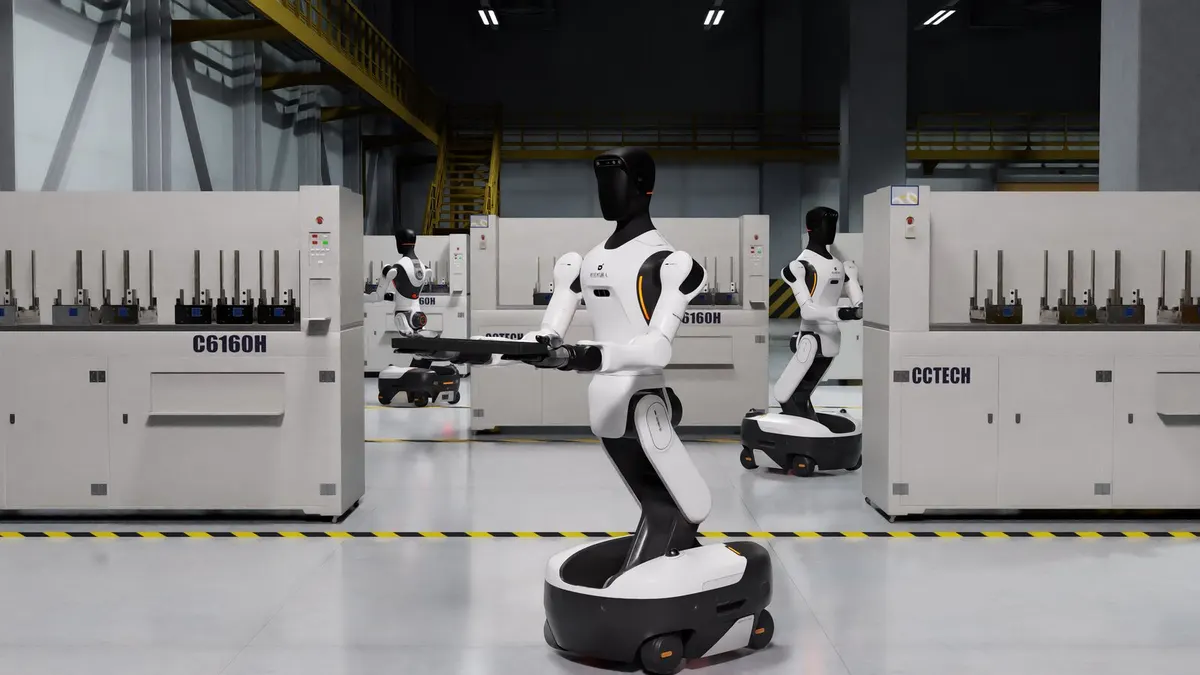
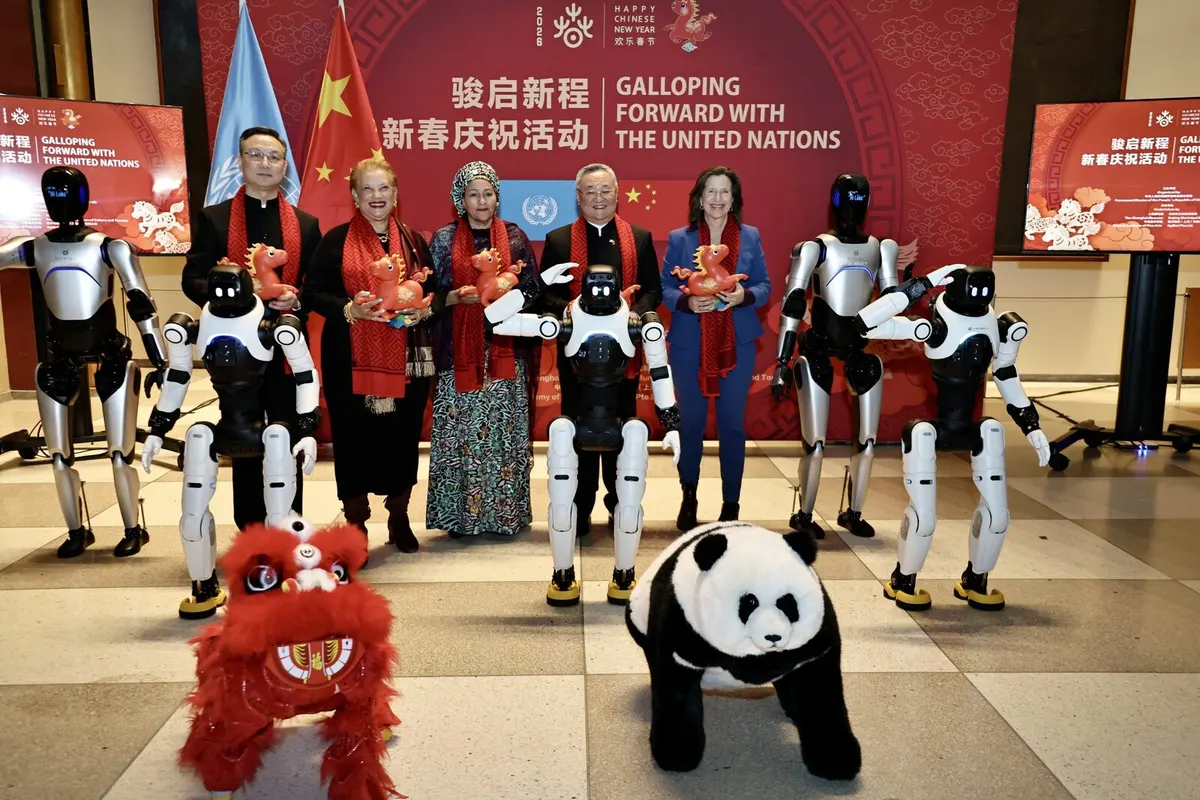
Yes: one robot can greet arrivals, work the booth, run demos, and pose for photos in one day. I run Humanoid Vegas, a Las Vegas B2B humanoid robot rental company, and my bookings run one humanoid across multiple roles on a planned schedule, with trained operators included on every booking. The honest boundary: it's the magnet, not the sales team.
Think of a rental robot the way you'd think about a great brand ambassador: someone who can work the door in the morning, run the booth at midday, and host the reception at night. Same robot, same operator, different roles scheduled around your event's rhythm. Here's how that versatility works in practice, and where the honest boundaries are.
One Robot, Many Roles Across the Day
Think of the robot the way you'd think about a great brand ambassador: someone who can work the door in the morning, run the booth at midday, and host the reception at night. A humanoid robot with a trained operator does the same thing, except it never gets tired of the hundredth photo and it stops traffic everywhere it goes.
Here's what a typical multi-role day looks like at a trade show.
Morning: the robot greets attendees at the entrance or at the end of the aisle, pulling foot traffic toward the booth.
Midday: it's at the booth, drawing a crowd, posing for photos, and creating the social media moments your marketing team wants.
Afternoon: it performs a demo routine: walking through your product story, gesturing to the display, holding positions that let attendees film and photograph.
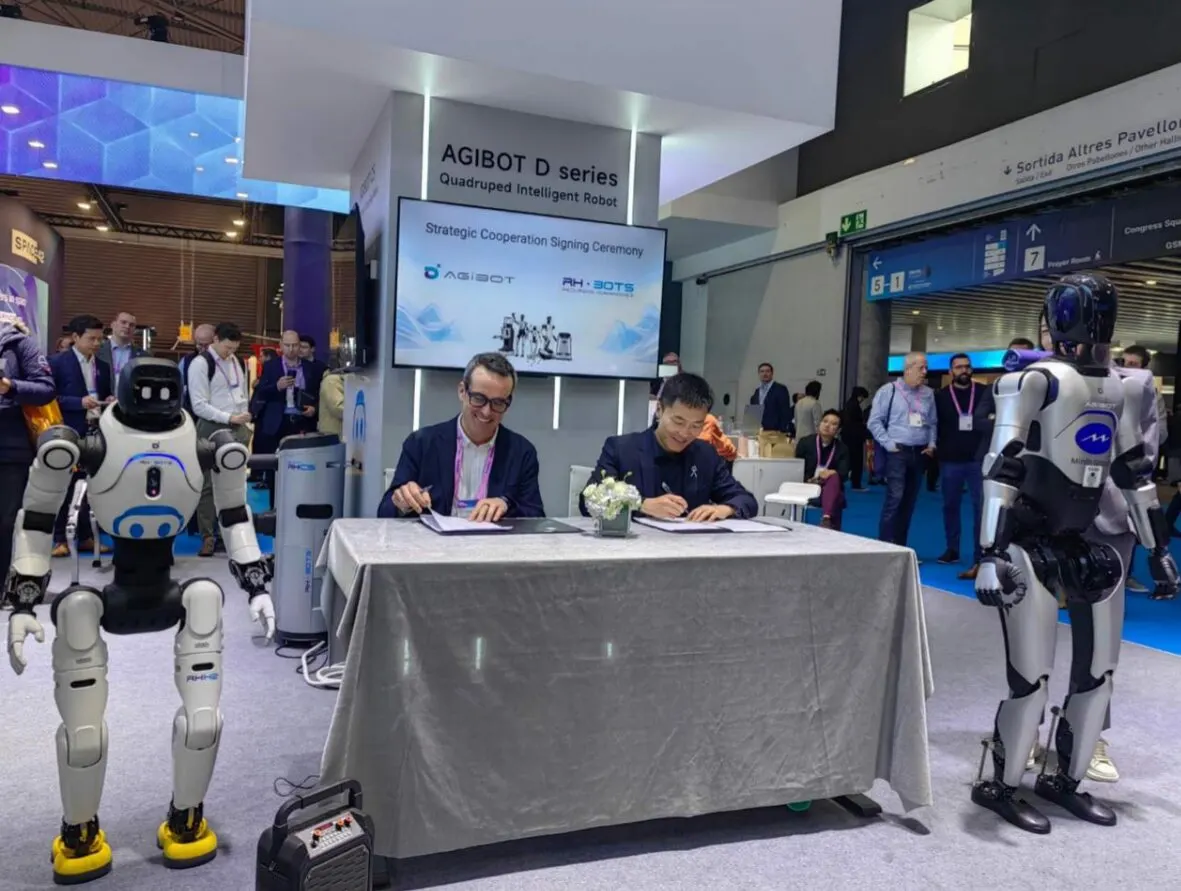
Evening: it makes an appearance at the networking reception or the client dinner, a surprise moment that people talk about on the way home.
Same robot. Same operator. Different roles, scheduled around your event's rhythm.
The transitions are planned in the pre-event coordination: the robot's "set list" for the day, mapped to your schedule. Nothing about it is improvised, which is exactly why it works.
What "Multiple Tasks" Actually Means
Let's be precise, because the phrase "multiple tasks" can mean different things and the industry sometimes blurs them.
What a rental humanoid does well: greeting and wayfinding (welcoming people, pointing them toward the booth or the stage), crowd attraction (being the thing people stop for), photo and video moments (posing, gesturing, performing short routines), product demos (moving through a rehearsed routine alongside your product or display), walkarounds (moving through a space, engaging people as it goes), and brand moments (entrances, reveals, appearances on cue).
What it does not do: hold a sales conversation, answer detailed product questions, scan badges, take orders, or replace your booth staff. The robot is the magnet; your team is the funnel.
This is the honest scope, and any provider who tells you otherwise is overselling. The robot creates the opening, the crowd, the attention, the energy, and your people convert it. That division of labor is the whole strategy.
If you try to make the robot do your team's job, you get a gimmick. If you let the robot do what it does best, attract, entertain, create moments, and your team does what they do best, sell, explain, close, you get a booth that outperforms its square footage.
Scheduling Multiple Roles Without Burning Out
A robot can't perform all day without breaks. Batteries need charging, components need rest, and, just as important, an audience that sees the robot constantly stops seeing it. Scarcity is part of the effect. The operator manages this across the day: performance windows when it counts, rest windows when it doesn't.
This is where the multi-role plan pays off. Instead of running the robot flat out from nine to five, you concentrate its appearances around your highest-value moments: the morning rush, the post-lunch lull (when a robot is the best traffic driver on the floor), the keynote break, the evening reception. Between those windows, it rests backstage: out of sight, charging, ready for the next set.
The planning call is where this gets built. Bring your event schedule and your priorities, and we'll map the robot's appearances to them. If you have one can't-miss moment, a product launch, a VIP visit, a media window, that moment anchors the day and everything else gets scheduled around it.
Getting More From a Single Booking
If you're trying to maximize the value of one robot, here are the moves that work:
• Stack the roles. Don't book a robot just for photos or just for demos. A single day can hold three or four distinct appearances, greeting, booth, demo, reception, and each one reaches a different slice of your audience.
• Give the camera moments. Plan at least one appearance specifically for content: good lighting, a branded backdrop, the operator running the robot's most visual routine. Your marketing team will use that footage for months.
• Coordinate with your team. Brief your booth staff on the robot's schedule so they can work the crowd it creates. The handoff between robot and human is where leads get captured.
• Book the right tier. Bigger events with more roles across more hours need more coverage. My three tiers, High Roller, Pocket Pair, and Full House, scale to different event sizes. Request a quote through Book-A-Bot and match the tier to the day you're planning, not just the robot.
The short version: one robot, multiple roles, one well-planned day. That's the versatility you're paying for: not a machine that does everything, but a performer that does several things well, on your schedule, under a trained
Book a Bot for your next event.