Las Vegas Events · 4 min read
What's the Difference Between Robot Rental Companies?
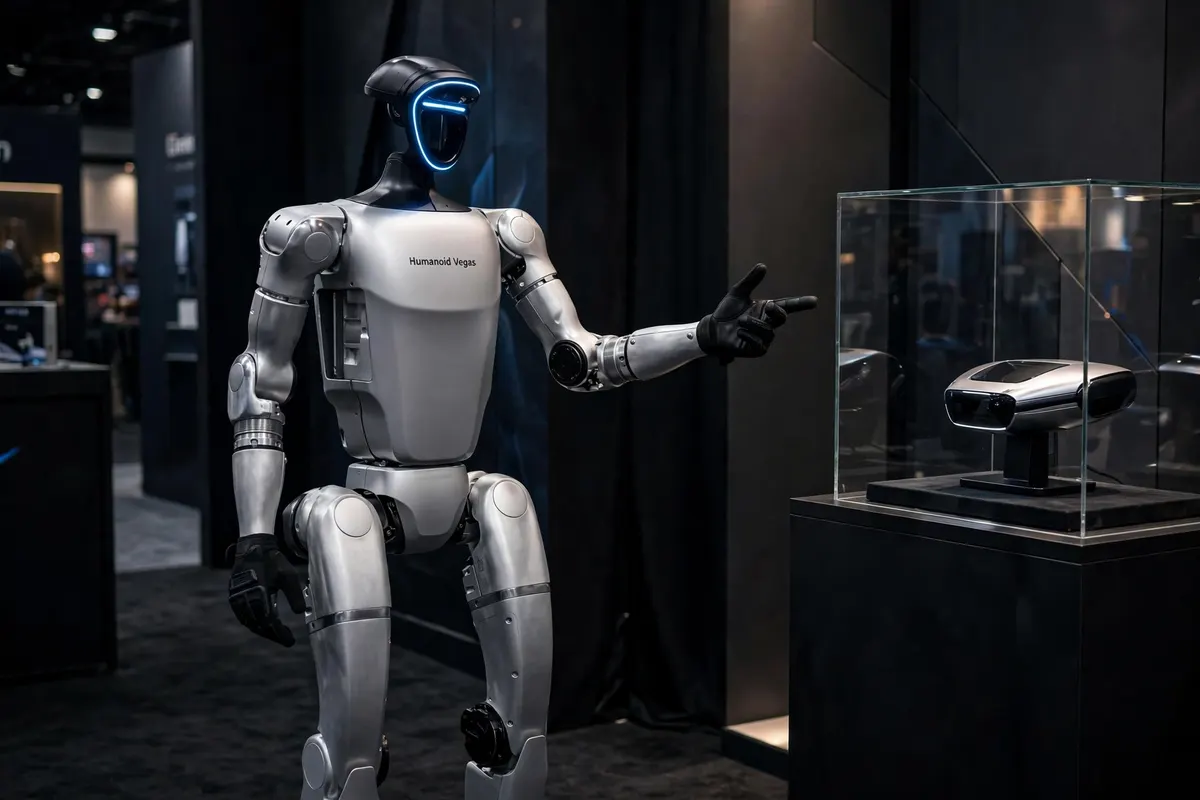
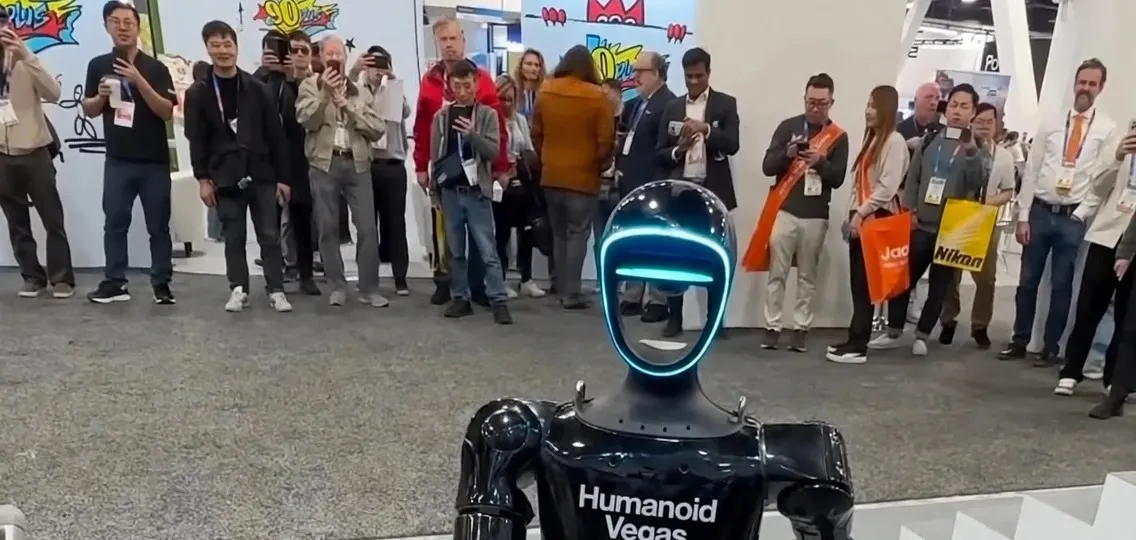
The biggest differences: whether trained operators are included in the quote, whether the company owns its fleet or brokers someone else's hardware, and whether it frames the robot as a managed performance or sells magic. I run Humanoid Vegas, a Las Vegas B2B humanoid robot rental company. Every booking includes trained operators.
If you've started shopping for a robot rental, you've noticed the market is thin and the information is thinner: a few companies, a few websites, big promises, not much to compare. This post isn't a sales pitch; it's the comparison framework I wish every buyer had. The differences between providers matter more than the robot on the spec sheet, so here's how to read them.
Operators: Included or Extra?
This is the single biggest difference in the market, and it's where most of the fine print lives. Some companies include trained operators in every booking. Some charge extra for them. Some hand you the robot and wish you luck.
I've written before about why the operator model matters, a humanoid at a live event needs a skilled hand, full stop, but as a buyer, the question is simpler: when you get the quote, is the operator in it or not? Ask directly. "Does this quote include a trained operator for the full event?" If the answer is yes, ask who the operator is: a company employee who knows the robot, or a temp hired for the day. If the answer is no, or if it's an add-on, ask yourself what happens when something goes sideways at 10 AM on show day and nobody on your team knows the machine.
A provider that doesn't include operators isn't necessarily dishonest. But it is selling you a different product: equipment rental, not an event service. Price those two things against each other honestly before you decide which one you need.
Real Fleet vs. Brokered Hardware
The second difference: does the company actually own the robots, or are they brokering someone else's?
A company with its own fleet knows its machines. They've rehearsed with them, maintained them, and they know exactly what each robot can do on a show floor, because they've done it. A broker takes your booking and finds a robot somewhere, which adds a layer of uncertainty: the machine that shows up may not be the one in the photos, and the person operating it may be meeting it for the first time.
I'm not saying brokers are bad. In some markets they're the only option. But you should know which one you're dealing with, because it changes the risk profile. Ask: "Do you own the robot I'll be getting?" and "Can you tell me about the specific unit and its event history?" A fleet owner answers both without hesitation.
Related to this: ask what happens if the robot has a problem. An owner-operator has a plan: spare parts, a maintenance routine, and someone on site who knows the machine. A broker has a phone and a hope. At a live event, that difference is everything.
Honest Framing vs. Marketing Fluff
Here's where I get opinionated, because this industry has a hype problem. Watch for the language. Red flags: "fully autonomous," "no operator needed," "just like hiring an employee," "works 24/7." A humanoid robot at an event is a managed performance. Anyone selling you magic is selling you disappointment.
The companies worth hiring describe what the robot actually does, greeting, walkarounds, demos, photo ops, and they're straight about what's managed by a human behind the scenes. Green flags: the provider asks about your goal, your venue, and your audience before quoting. They talk about scheduling, downtime, and load-in logistics. They show you what the robot does instead of telling you what it "can" do. They give you straight answers about limitations.
I built Humanoid Vegas on honest framing. Every booking includes trained operators. I tell clients what the robot does well and where it doesn't fit. I'd rather lose a booking than sell someone a robot for the wrong event, because a bad deployment hurts my reputation more than a lost sale ever could.
What to Compare, Concretely
When you've got two or three providers on the table, run them through this checklist:
• What's included? Robot, operator, delivery, setup, teardown, all in the quote or piecemeal?
• Who operates it? Employee or contractor? Experienced with this robot or generalist?
• What's the specific robot? Make, model, and its event track record, not just a category.
• How do you plan with me? A real planning process (calls, venue coordination, run-of-show) or a confirmation email?
• What's the backup plan? If the robot goes down mid-event, what happens in the next thirty minutes?
• Can I see it work? Video of the actual robot at an actual event, not renders, not stock footage.
• What are the terms? Cancellation, damage, overtime, in writing, before you sign.
Price matters, but it's the last thing on the list, not the first. The cheapest quote that shows up with an unfamiliar robot, no operator, and no plan is the most expensive option on the table once your event starts.
One more thing: I don't name competitors in my content, and I don't trash them. The market is small, the good operators know each other, and I'd rather win on the work. Use the checklist above on me too, I welcome it.
My three tiers, High Roller, Pocket Pair, and Full House, are quoted per event, with operators included on all of them.
Book a Bot for your next event.